
Tin
The devices we use, the networks we depend on, and the infrastructure that powers the global economy all rely on materials that most people rarely think about.
At Nola, we view tin as one of the most strategically important commodities supporting the future digital economy. Our objective is to connect African tin resources with global manufacturing, technology, and industrial markets through responsible sourcing, transparent supply chains, and institutional execution.
Tin in figures - 2026
Microelectronics Sourcing & assembly
Why Tin Matters
Tin is often described as one of the world's most important industrial metals. Not because of its volume, but because of its function. Tin plays an essential role in joining, protecting, and enabling the electronic systems that power modern life.
Without tin, many technologies people rely on every day simply would not function.
Tin & Electronics
The global electronics industry depends on reliable tin supply. As digital infrastructure, connectivity, and automation grow, tin remains essential to the physical hardware layer of electronic devices and advanced manufacturing systems.
Nola Tin is structured to support quality, consistency, and traceability across the tin value chain, helping connect African tin resources to international technology markets.
Nola Tin Focus Areas
Tin Sourcing & Mining
Developing tin supply pathways from African mineral corridors.
Concentrate Handling
Supporting the movement and preparation of raw tin materials for validation.
Processing & Validation
Ensuring tin materials are prepared and assessed for relevant industrial requirements.
Quality Assurance & Documentation
Supporting grade consistency, metallurgical assays, and creating stronger visibility and custody records across the tin supply chain.
Logistics & Market Access
Preparing tin materials for structured multi-modal shipping networks and connecting supply to electronics, automation, and chip-soldering industries.
Core Industries Served
Electronics Manufacturing
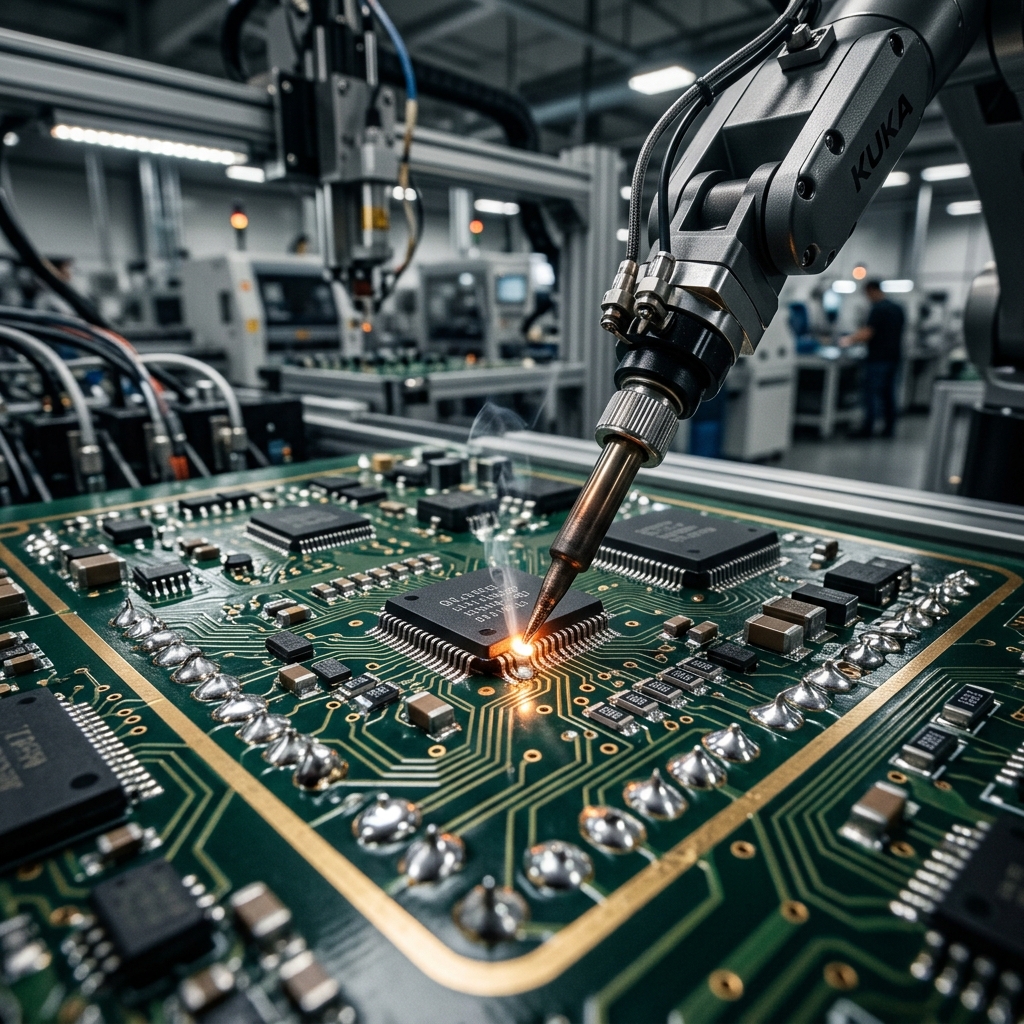
Tin is widely used in soldering alloys, connecting micro-components across circuit boards and electronic systems.
AI Hardware Infrastructure
AI networks depend on advanced computing chips, circuit board reliability, computing density, and semiconductor packaging.
Automation & Robotics
Industrial automation and robotics require highly reliable electronics, control systems, sensors, and circuit assemblies.
Nola Operating Approach
Tin mining & sourcing
Concentrate handling
Processing coordination
Quality & metallurgical assay
Documentation & traceability
Logistics & market access
Responsible Sourcing & ESG
Conflict-Free Tin
Adhering to strict international standards to ensure tin does not originate from conflict-affected or high-risk areas.
Environmental Stewardship
Responsible processing and tailing management systems to protect local water tables and land.
Community Partnerships
Investing in local livelihoods, health facilities, and economic resilience near extraction sites.
Tin Market Outlook
Several long-term trends continue to support tin demand. These include: Growth in electronics manufacturing, Expansion of semiconductor production, Artificial intelligence infrastructure, Data centre development, Telecommunications expansion, Renewable energy deployment, Industrial automation, and Digital transformation.
Together, these trends reinforce the strategic importance of tin within the global economy. As technology continues to evolve, demand for reliable and responsible tin supply is expected to remain strong.
Why Nola
Nola's role within the tin value chain is to connect resource opportunities with the industries shaping the future. We combine responsible sourcing, quality assurance, documentation integrity, logistics coordination, governance systems, and market access into a unified operating framework designed to support confidence throughout the supply chain.
Closing Statement
Tin may be one of the smallest commodity markets by volume. But it is one of the most important by impact. It powers electronics. It enables connectivity. It supports artificial intelligence. It drives technological advancement.
At Nola, we are committed to helping build the responsible and transparent supply chains that support the future digital economy.