

Africa's Strategic Position in the Future Economy
The global economy is entering a period of significant transformation, driven by an unprecedented demand for critical minerals and metals.
The twenty-first century is being shaped by a convergence of powerful global trends. Population growth, urbanisation, infrastructure expansion, industrialisation, digital transformation, artificial intelligence, advanced manufacturing, and the global energy transition are all increasing demand for the materials that underpin modern life.
Behind every technological breakthrough and industrial development lies a physical reality: progress depends on minerals and metals. Power grids require copper. Electronics require tin and precious metals. Transportation systems rely on a broad range of mineral inputs. Renewable energy infrastructure depends on critical materials extracted, processed, and transported through global supply chains.
As nations and industries seek secure access to these resources, the importance of mineral-rich regions is increasing. Few regions are as strategically positioned as Africa. Home to some of the world's most significant deposits of copper, gold, tin, cobalt, lithium, manganese, rare earth elements, and other strategic minerals, Africa possesses resources that will play a defining role in the future global economy.
A Continent Rich in Resources
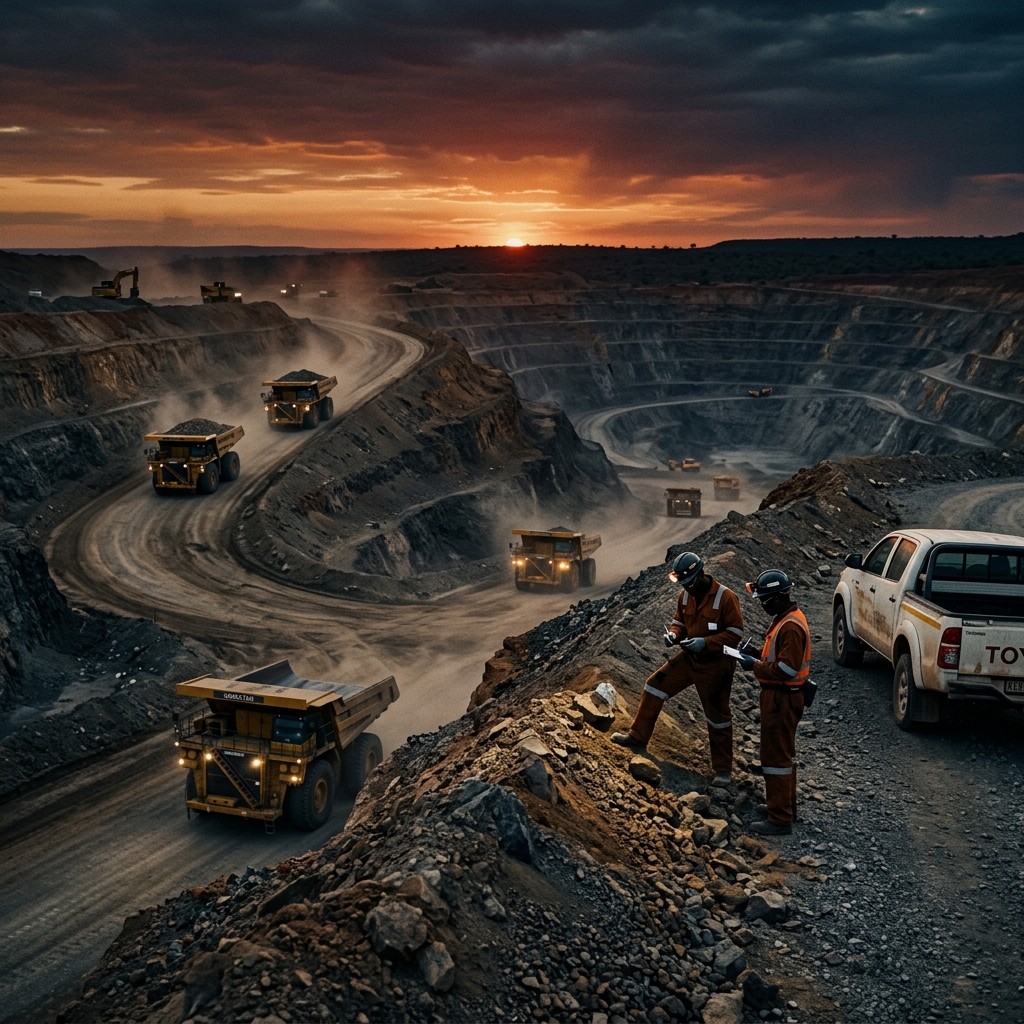
Africa's geological diversity is among the most remarkable in the world. Across the continent, vast mineral belts support the production of commodities essential to global industry: copper for electrification, gold for financial systems, tin for electronics, and strategic minerals for next-generation technologies. These resources provide the foundation for long-term economic opportunity, but value is created through responsible development, effective management, and active value chain participation.
The Global Demand Story
The world is entering a period of increasing competition for strategic resources. Infrastructure modernisations, energy transition initiatives, and expanding digital systems all depend on minerals. As demand grows, buyers are placing greater emphasis on reliability, compliance, and supply chain resilience. Nola builds systems designed to support these expectations, combining physical sourcing with structured traceability and quality controls.
Africa's Geological Position in Numbers
Beyond Extraction
Historically, natural resource discussions focused on extraction. The future opportunity is in active participation across multiple stages of the value chain: processing, logistics, infrastructure, trade, and finance. These activities create additional employment, strengthen local industries, and improve long-term development outcomes. Nola is building a platform designed to connect these value-added activities into a single framework.
Building Trusted Supply Chains
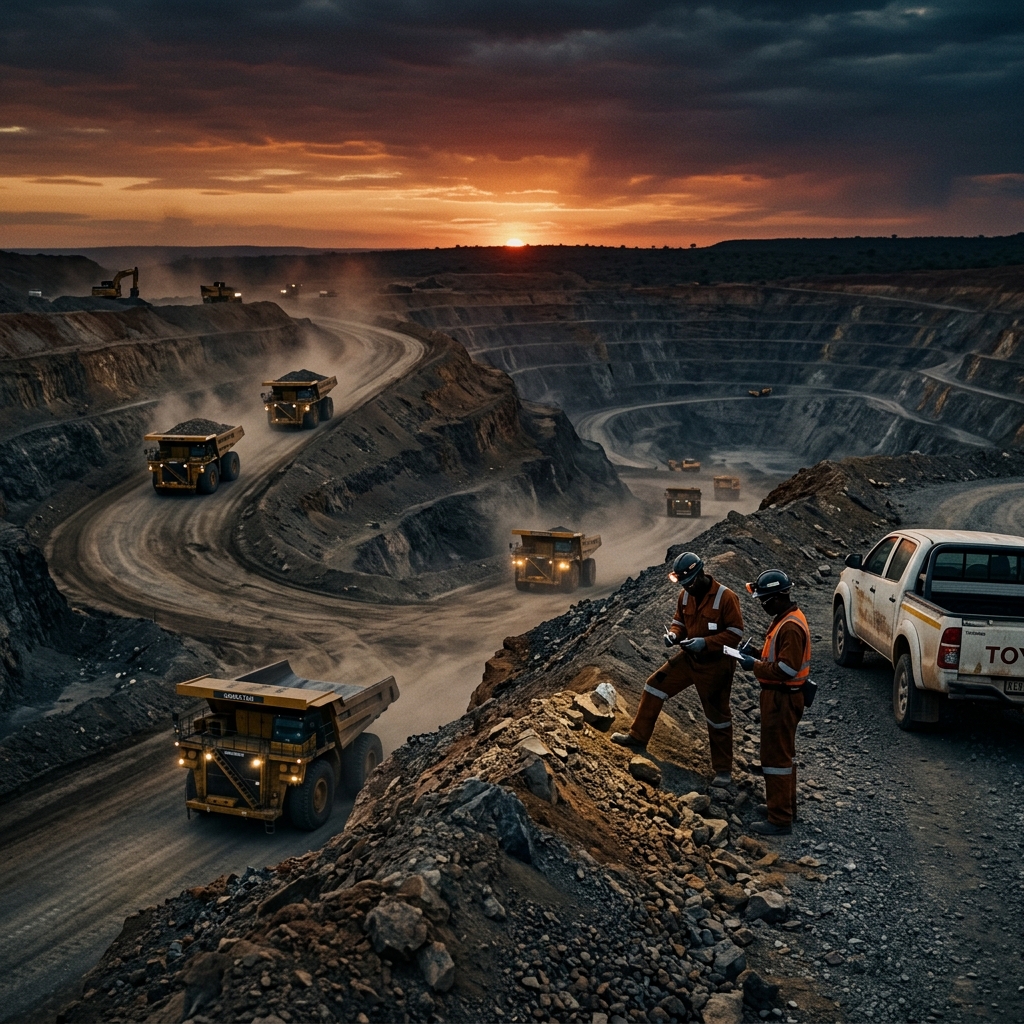
Global markets require confidence: confidence in quality, documentation, compliance, and delivery. These expectations are reshaping commodity trading. Nola integrates operations with technology-enabled validation and documentation systems, providing the traceability required to build trusted, long-term gateways connecting African production corridors to international buyers.
Creating Value for Africa
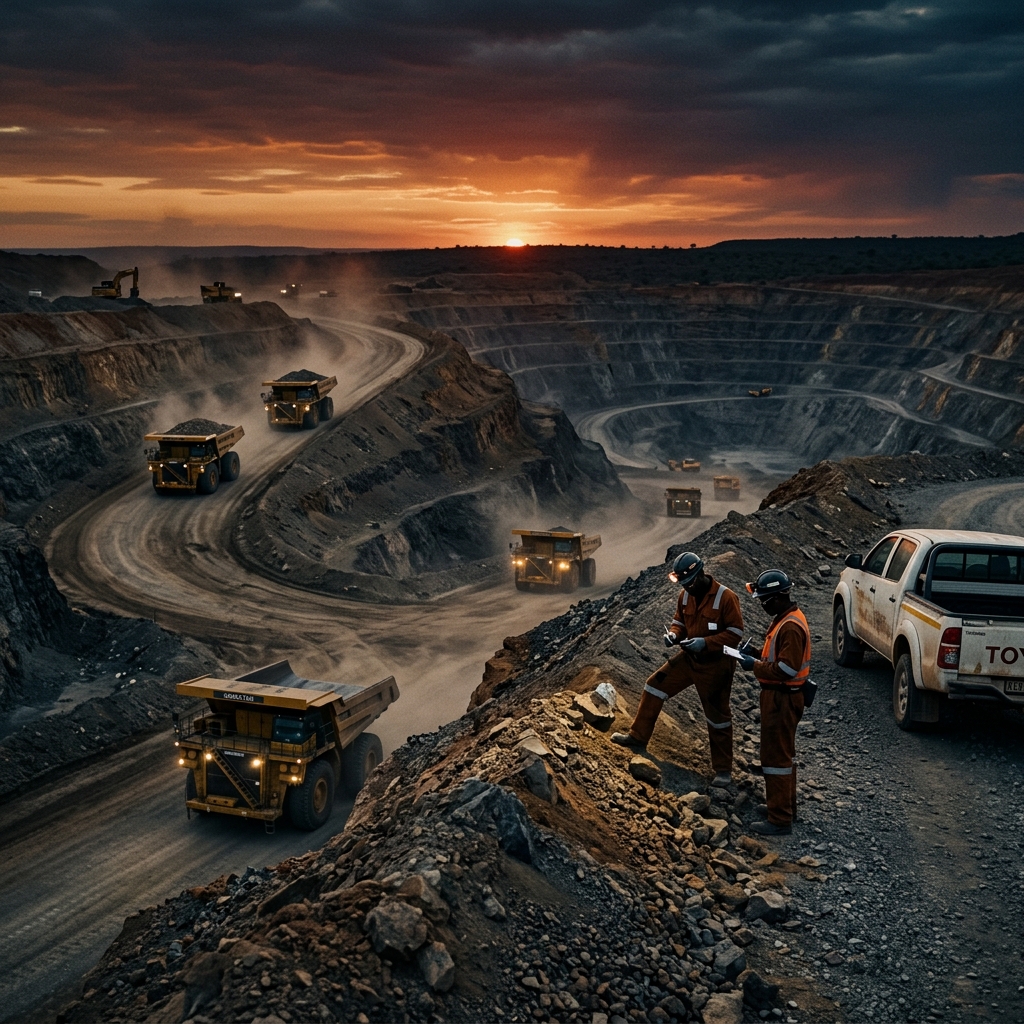
Resource development should create benefits that extend beyond commodity transactions. When managed responsibly, mineral development supports broader economic participation. Potential benefits include local employment, skills development, infrastructure investment, and enterprise growth. Nola seeks to contribute to these outcomes by building systems that support sustainable resource development and responsible market participation.
Nola's Role & Perspective
Nola was established to help bridge the gap between Africa's resource potential and global industrial demand. As expectations surrounding sustainability and governance continue to rise, long-term success requires combining operational capability with institutional discipline. We take a long-term perspective, building the infrastructure and relationships needed to connect Africa's mineral advantage to the world responsibly.